
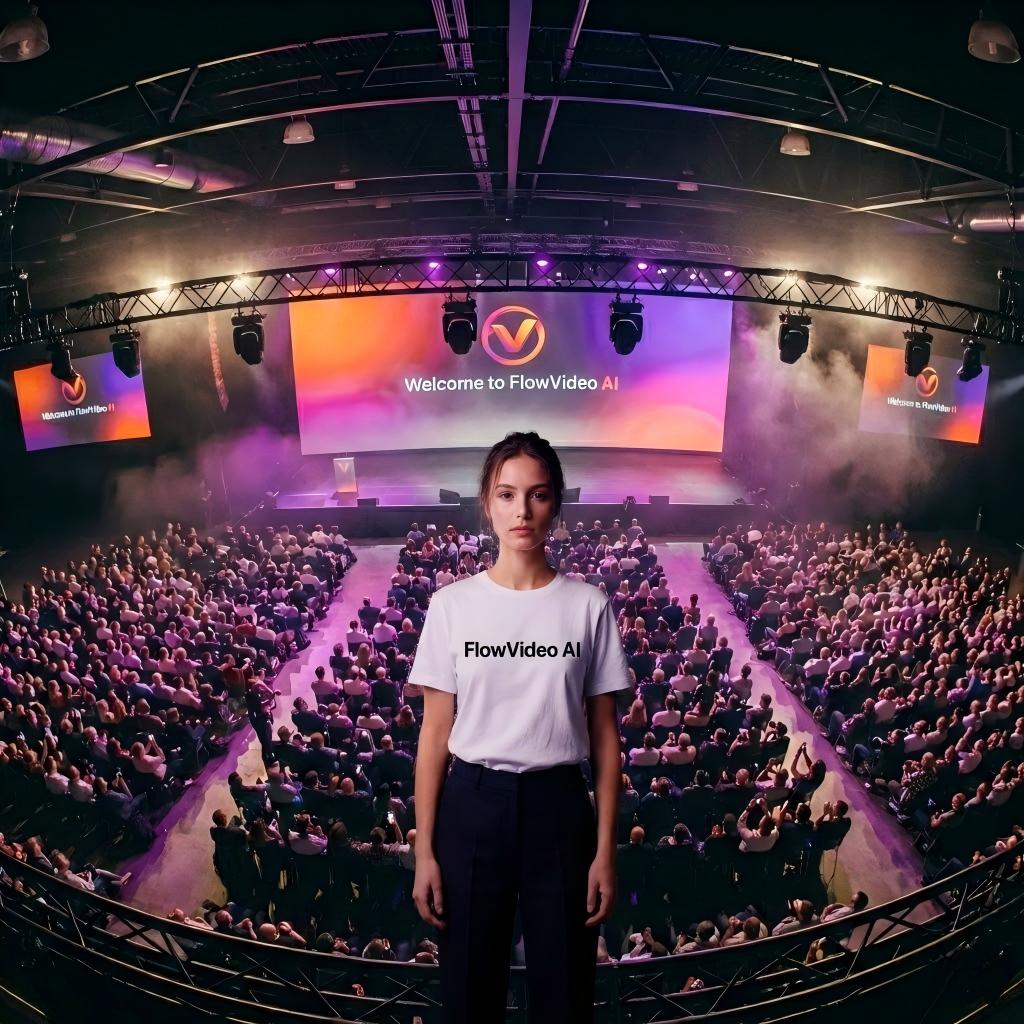
The journey of creating art has always been a fascinating blend of imagination and technique. Today, with the advent of work flow ai, artists and creators have a revolutionary tool at their disposal—an AI image generator. This technology transforms ideas into vivid visuals, allowing users to bridge the gap between abstract concepts and tangible artwork. The fusion of human creativity and artificial intelligence has given rise to an entirely new form of artistic expression, where the canvas becomes a playground for endless possibilities.
Understanding Workflow AI
Workflow AI is more than just a buzzword in the creative industry. It is a system designed to streamline the creative process, helping artists turn their concepts into fully realized images with minimal manual effort. By integrating AI image generator technology into the workflow, creators can generate high-quality visuals based on textual descriptions, rough sketches, or even fragmented ideas. This eliminates many traditional barriers, such as technical skill limitations or time constraints, allowing ideas to manifest with unprecedented speed and precision.
Workflow AI works by analyzing the input provided by the user and translating it into visual components. This process involves understanding shapes, colors, textures, and composition. Through the ai image generator, users can experiment with various styles and artistic approaches without the need for extensive training in digital art software. The result is a dynamic collaboration between human imagination and machine intelligence, expanding the boundaries of creativity.
The Role of AI Image Generator in Modern Art
The AI image generator has revolutionized modern art by democratizing the creative process. No longer restricted by conventional tools, artists can explore styles ranging from realistic depictions to surrealistic interpretations. The AI image generator functions as an intelligent assistant, capable of interpreting abstract ideas and translating them into visually appealing compositions. This capability has allowed artists, designers, and hobbyists alike to experiment with new concepts that may have been impossible to execute manually.
For instance, a workflow AI equipped with an AI image generator can take a simple text prompt, such as “a futuristic cityscape at sunset,” and transform it into a detailed, high-resolution image. The user can then adjust colors, lighting, and perspective, iterating until the artwork meets their vision. The AI image generator acts as both a tool and a partner, enabling continuous refinement and exploration.
How Workflow AI Enhances Creativity
Creativity often thrives under constraints, but workflow AI removes many of the traditional limitations. By integrating an AI image generator into the artistic process, creators can explore multiple iterations of their concept quickly and efficiently. This allows for experimentation with different compositions, color schemes, and styles. Workflow AI can even suggest enhancements or alternative interpretations of the original idea, offering inspiration when creative blocks occur.
The AI image generator also facilitates collaboration. Multiple team members can contribute ideas to the workflow AI, which then synthesizes these inputs into cohesive visuals. This collaborative potential expands the scope of artistic projects, making it easier to manage complex visual narratives or design campaigns. In essence, workflow AI with an AI image generator transforms individual creativity into a collective endeavor, fostering innovation at every stage of the creative journey.
Workflow AI in Commercial Applications
Beyond personal projects, workflow AI has found extensive applications in commercial and professional contexts. The AI image generator is used in advertising, product design, and media production to create compelling visuals that engage audiences. Companies leverage workflow AI to produce marketing materials, social media content, and illustrations quickly and efficiently. The technology enables brands to maintain a consistent visual identity while exploring new aesthetic directions.
For example, a fashion brand can use workflow AI and an AI image generator to visualize seasonal collections before producing physical samples. Similarly, an interior design firm can experiment with color palettes and furniture arrangements digitally, minimizing cost and effort. The AI image generator’s ability to generate realistic and imaginative visuals ensures that professionals can make informed design decisions while maintaining creative flexibility.
Exploring Artistic Styles with AI Image Generator
One of the most exciting aspects of the AI image generator is its versatility in exploring artistic styles. From impressionist landscapes to hyper-realistic portraits, workflow AI can emulate virtually any visual aesthetic. Users can input style references or select from predefined artistic modes, and the AI image generator will adapt the composition accordingly. This feature opens up a world of experimentation, allowing creators to blend traditional art techniques with modern digital tools.
Artists often use workflow AI to combine multiple styles into a single piece, creating unique hybrid aesthetics. For instance, a digital artist might merge abstract expressionism with photorealism to produce a strikingly original image. The AI image generator facilitates this process by analyzing style patterns and applying them consistently across the artwork. This capability not only enhances creativity but also provides artists with a deeper understanding of artistic techniques.
The Process of Turning Concepts into Canvas
Turning a concept into a finished piece of art using workflow AI involves several stages. Initially, the artist provides input, which could be a textual description, a rough sketch, or a mood board. The AI image generator interprets this input, generating multiple visual options. The creator can then review these options, selecting and refining the versions that align most closely with their vision.
Throughout this process, workflow AI enables iterative development. Adjustments to color, lighting, perspective, and composition can be made rapidly, with the AI image generator updating the visuals in real-time. This iterative approach empowers artists to experiment fearlessly, knowing that each version is just a step toward the final masterpiece. By the time the concept reaches the canvas stage, it has evolved into a polished and thoughtfully composed piece of art.
AI Image Generator for Storytelling
Visual storytelling is another area where workflow AI excels. An AI image generator can bring narrative ideas to life, creating scenes, characters, and environments that support the story. Writers, filmmakers, and game designers use the technology to develop concept art, storyboard visuals, and immersive worlds. This ability to visualize stories enhances planning and communication, ensuring that creative teams can align on the artistic direction from the outset.
For example, a writer imagining a fantasy world can input descriptive elements such as landscapes, architecture, and character appearances into the workflow AI. The AI image generator will produce detailed visuals that capture the essence of the narrative. This not only aids in storytelling but also inspires further development, as seeing the world visually can spark new ideas and plot directions.
Advantages of Using Workflow AI
The advantages of incorporating workflow AI with an AI image generator into the creative process are numerous. Efficiency is one of the most significant benefits; tasks that once required hours or days of manual work can now be accomplished in minutes. Accuracy and consistency are also enhanced, as the AI image generator can maintain coherent styles and proportions across multiple images.
Moreover, workflow AI expands creative possibilities. Artists are no longer constrained by technical skills or traditional methods. The AI image generator enables experimentation with bold ideas, unconventional perspectives, and novel combinations of elements. This freedom encourages innovation and pushes the boundaries of what is possible in art and design.
Ethical Considerations in AI-Generated Art
While workflow AI and AI image generator technologies offer incredible potential, they also raise ethical questions. Issues such as authorship, copyright, and the impact on human artists are important considerations. As AI becomes more integrated into the creative process, it is essential to acknowledge the contributions of both human creators and the technology itself.
Creators must also be mindful of how they use AI-generated content, ensuring that it does not infringe on existing works or propagate harmful stereotypes. Workflow AI should be seen as a collaborative tool rather than a replacement for human creativity. By approaching AI-generated art responsibly, artists can harness its power while maintaining integrity and originality.
Future of AI Image Generator in Creativity
The future of AI image generator technology is full of exciting possibilities. As workflow AI continues to evolve, we can expect even more sophisticated tools that understand context, emotion, and style nuances. These advancements will enable artists to create highly personalized and emotionally resonant artwork. The AI image generator will become an indispensable part of the creative toolkit, seamlessly integrating with traditional methods to enhance artistic expression.
Emerging applications may include interactive art, real-time collaborative platforms, and AI-assisted virtual reality experiences. Workflow AI could also facilitate cross-disciplinary projects, merging art, music, and storytelling in immersive ways. The ongoing evolution of AI image generator technology promises to reshape the landscape of creative industries, offering new ways to explore, communicate, and inspire.
Conclusion: Embracing AI in Art
The integration of workflow AI and AI image generator technology represents a transformative shift in the way art is created. By turning abstract concepts into detailed visuals, artists can explore new creative territories and bring their visions to life with unprecedented speed and precision. The AI image generator acts as a bridge between imagination and reality, enabling both professionals and hobbyists to experiment, iterate, and innovate.
Ultimately, the journey from concept to canvas has never been more accessible or inspiring. Workflow AI empowers creators to embrace the full potential of their ideas, unlocking a future where creativity knows no bounds. As we continue to explore the possibilities of AI-generated art, the collaboration between human ingenuity and artificial intelligence promises to redefine what it means to create.